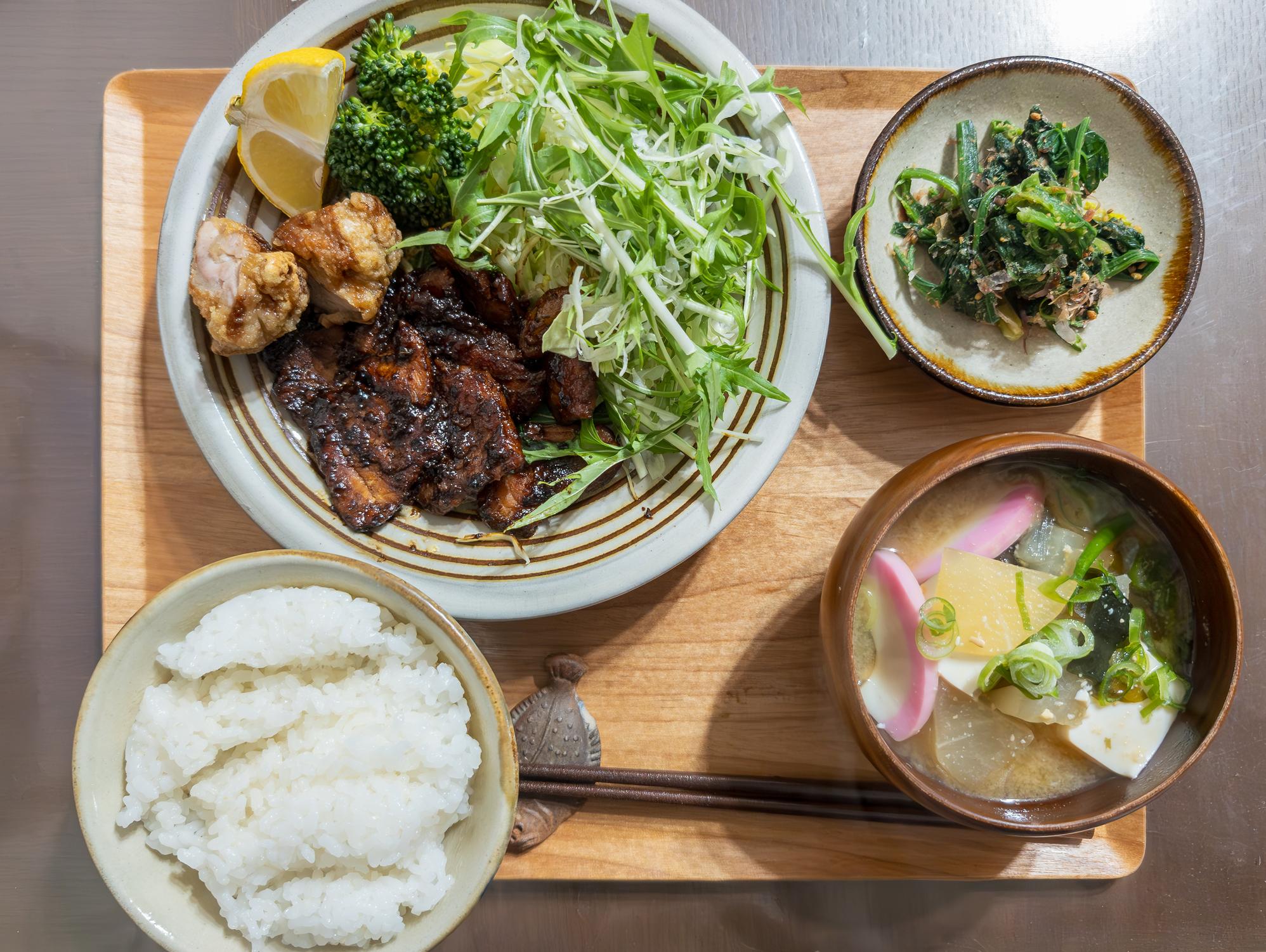
Ichiju sansai literally means “one soup, three dishes.” Rice and pickles are often served alongside this Japanese meal arrangement. This beginner guide explains what each part includes, shows a practical home version, and offers a simpler starting point when the full arrangement feels like too much.
What the words mean
Ichiju means one soup. Sansai means three dishes. Rice and pickles are commonly discussed alongside this arrangement, although real home meals vary by household, season, time and appetite.
A practical home interpretation
- Rice or another everyday staple
- One soup, such as miso soup or a clear broth
- One main dish, such as fish, tofu, eggs or another familiar protein
- Two small vegetable or pantry dishes
You do not need to prepare every component from scratch. Leftovers, a simple soup and one freshly cooked dish can still make a useful home-style arrangement.
Begin with fewer dishes
If three dishes feels like too much work, begin with rice, soup and one side. The helpful idea is to arrange a meal from a few small components rather than treating the pattern as a test of authenticity.
Where fermentation appears
Fermented ingredients may appear naturally in the meal: miso in soup, soy sauce or tamari as seasoning, or a small serving of pickles. They are part of the flavor and food culture of the meal; this article does not claim that the arrangement treats or prevents a health condition.
A simple example
- Steamed rice
- Miso soup with tofu and green onion
- Grilled fish or tofu
- Spinach with sesame
- A small cucumber dish
Use ingredients that are available to you and adjust the number of dishes to the time you have. The aim is to understand a Japanese meal pattern through ordinary cooking, not to pursue a promised result.
Editorial note: This article is about food culture and home cooking. It is not medical or nutritional advice.